

In a time when city lights barely switch off and screen time stretches late into the night, the idea of looking up at a sky full of stars feels almost unreal. That’s exactly why Spiti Valley stargazing is seeing a surge right now. More travelers are choosing quiet, remote landscapes over crowded hotspots, chasing experiences that feel raw and untouched. Tucked high in the Himalayas, Spiti offers some of the darkest skies in India, thanks to its altitude, dry climate, and minimal light pollution, making it a natural stage for the Milky Way and countless constellations.
But planning a stargazing trip here isn’t as simple as just showing up. You have to choose the right season, find the best locations, and stay prepared for the terrains and many other things. This guide breaks it all down for you so when you finally look up in Spiti, you know exactly what you’re witnessing.

Why Spiti Valley is Perfect for Stargazing
Although Spiti is perfect on its own, what makes it truly perfect for stargazing are these tiny factors:
High Altitude means a Clearer View
Since Spiti is at an altitude of 12,000 to 15,000 ft, places like Kaza and Langza bring you closer to the sky, which helps the stars look brighter and detailed.
Minimal Light Pollution for Dark Skies
One of the biggest advantages of Spiti is its remoteness with very little lighting, which helps the sky remain naturally dark.
Thin Air Increases Visibility
The thin air at high altitude reduces the atmospheric disturbance, which means you get less flickering and distortion of the celestial objects.
Dry Weather and Low Humidity
Humidity tends to blur out the visibility at times, but since Spiti is a cold desert, it helps in keeping the sky clearer.
Wide Unobstructed Landscapes
Spiti’s expansive, open terrain and unbroken horizons provide you with a complete panoramic view of the sky, making it ideal for fully enjoying the stargazing experience.
Best Time for Stargazing in Spiti Valley
Stargazing in spiti valley is one thing that remains equally beautiful all year long. But if we were to break it down season-wise:
| Seasons | Months | What you get |
| Summer | May to June | Although the nights are cold, you get a good combination for sightseeing and stargazing during this time of the year. |
| Post-Monsoon | September to October | This is the ideal time to see the Milky Way and the celestial bodies clearly with minimal to no crowd. |
| Winter | November to April | The sky during these months is very clear due to dry air, but the temperature is -30°C with limited routes open. |
Best Time of Night for Stargazing
The sky begins to darken from 10 PM to midnight, during which time brighter stars and constellations can be clearly seen. The best time to see the Milky Way clearly is between midnight and three in the morning, when it is at its darkest.
Best Places for Stargazing in Spiti Valley
The best places for stargazing in Spiti Valley are:
Langza: Open Skies and Panoramic Views
Altitude: 14,500 feet
Langza village is famously known for its fossils, but because this village is very isolated, it gives you a very clear view of the night sky. You can see the milky way very clearly from here.
Kaza: The Stargazing Base
Altitude: 12,500 feet
In Spiti Valley, stargazing at Kaza offers the best combination of convenience and excellent conditions. The darkest skies in the area are only ten to fifteen minutes away from the town. Along with that, it also has cafes, stays, and basic facilities in proximity.
Hikkim: High Altitude, Low Light Pollution
Hikkim is one of the highest inhabited villages, which means the atmosphere is even thinner, the population is very low (almost zero artificial light), and the sky appears even darker. It feels perfect for a quiet getaway with no disturbance at all.
Kibber: Remote and Ideal for Astrophotography
Kibber holds a quiet charm that supports long exposure photography under open skies. The surrounding landscape offers steady framing options that help capture the movement of the sky with ease.
Chandratal Lake: Reflection of Stars
The high altitude setting keeps the night sky sharp and bright, while the lake surface adds a glowing reflection that enhances the entire scene. Open surroundings allow uninterrupted views in every direction, creating a peaceful space for long hours under starlight.
What You Can See in Spiti Valley’s Night Sky
Milky Way Core
Spiti Valley opens up a clear view of the Milky Way during the right season. The dense star band stretches across the sky with striking brightness, creating a natural highlight for anyone watching the night unfold.

Constellations
Familiar star patterns such as Orion and Ursa Major appear with strong definition due to the dark skies.
Shooting Stars
Meteor activity becomes easier to notice in Spiti’s quiet skies. Brief streaks of light appear suddenly and fade quickly, adding movement to the still night canvas.
Planets
Bright planets such as Jupiter and Saturn often stand out clearly. Their steady glow feels different from surrounding stars and makes them easier to identify.
Satellite Trails
Slow-moving lights pass across the sky at intervals. These artificial objects create smooth, steady paths that contrast with the natural sparkle of stars.
Safety Tips for Night Stargazing
- Stay close to your accommodation or known safe areas after dark.
- Carry a fully charged phone with emergency contacts saved.
- Use a headlamp or torch for clear visibility on uneven paths.
- Wear multiple warm layers to handle sudden temperature drops.
- Inform someone about your stargazing plan before heading out.
- Avoid walking alone to distant or unfamiliar spots at night.
- Keep a small first aid kit for minor needs.
- Watch your step carefully on rocky or sloped terrain.
- Check weather conditions before stepping out for the night sky.
Conclusion
Spiti Valley stargazing leaves a lasting impression, and the stay you choose shapes that experience in a meaningful way. Eco Hospitality offers simple, comfortable stays rooted in local life across the region, giving you easy access to dark skies without disturbing the natural setting. After a night under the Milky Way, returning to a warm, quiet space completes the journey in a calm and grounded way. For your Spiti Valley stargazing trip, Eco Hospitality brings ease, comfort, and a thoughtful way to stay in the mountains.
Recent Posts

Dhankar Monastery in September: Weather, Road Conditions & Things to Know Sep 11, 2026

Shimla in Monsoon: Best Places to Visit and Things to Do Aug 27, 2026

Ladarcha Fair: Experience the Traditional Festival of Spiti Valley Aug 24, 2026

Adventure Activities in Kufri Near Shimla: Fun Experiences for Every Traveller Aug 20, 2026

Best Time to Visit Chandratal Lake: Weather, Road Conditions & Travel TipsAug 11, 2026

The World’s Highest Post Office: A Journey to Hikkim Village in Spiti Valley Jul 28, 2026
Our Hotels
Golden Fern Resort
SHIMLA


Hotel Woodrina
SHIMLA
SS Resort
DALHOUSIE
Hotel Snow Castle
DALHOUSIE
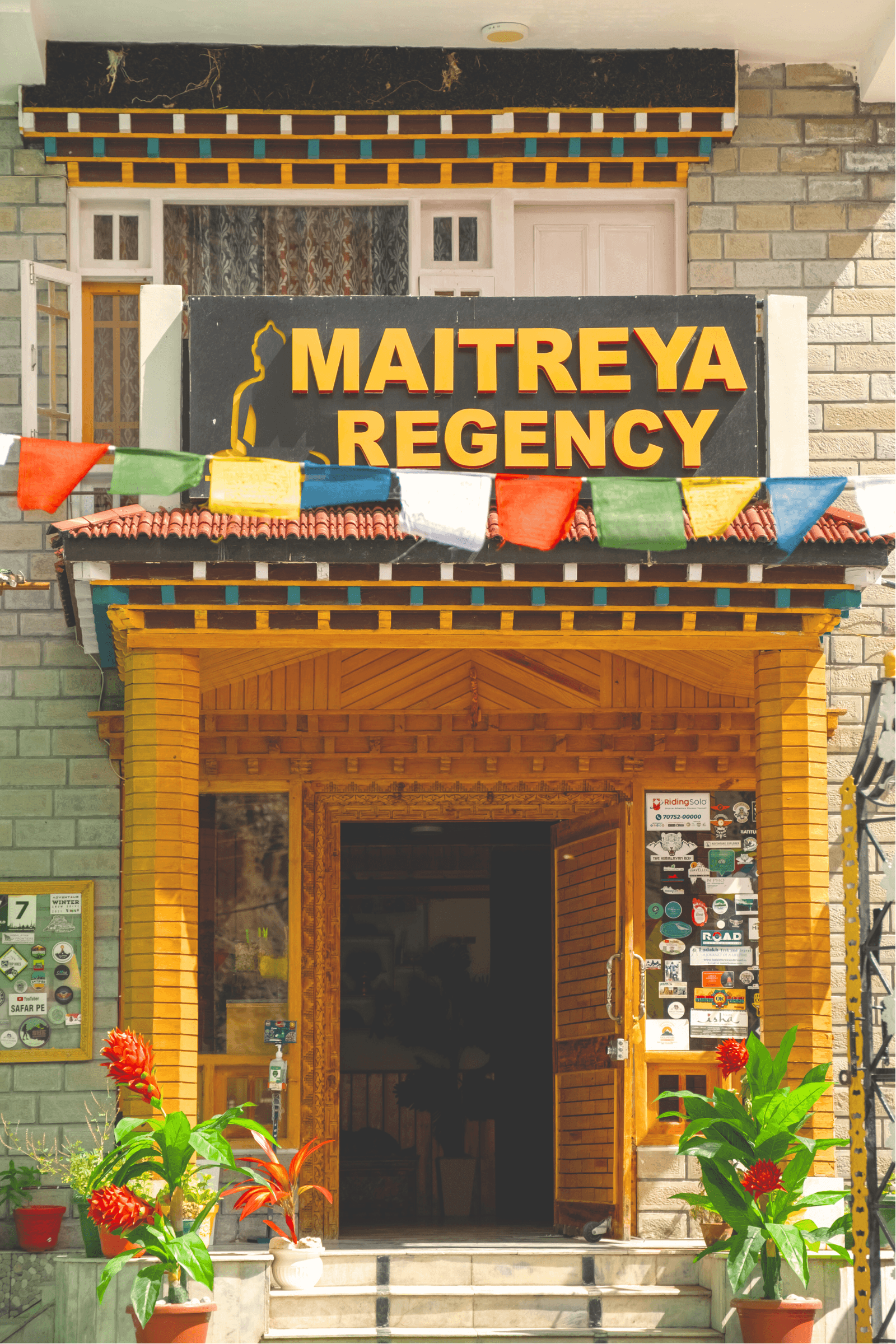
Maitreya Regency
TABO
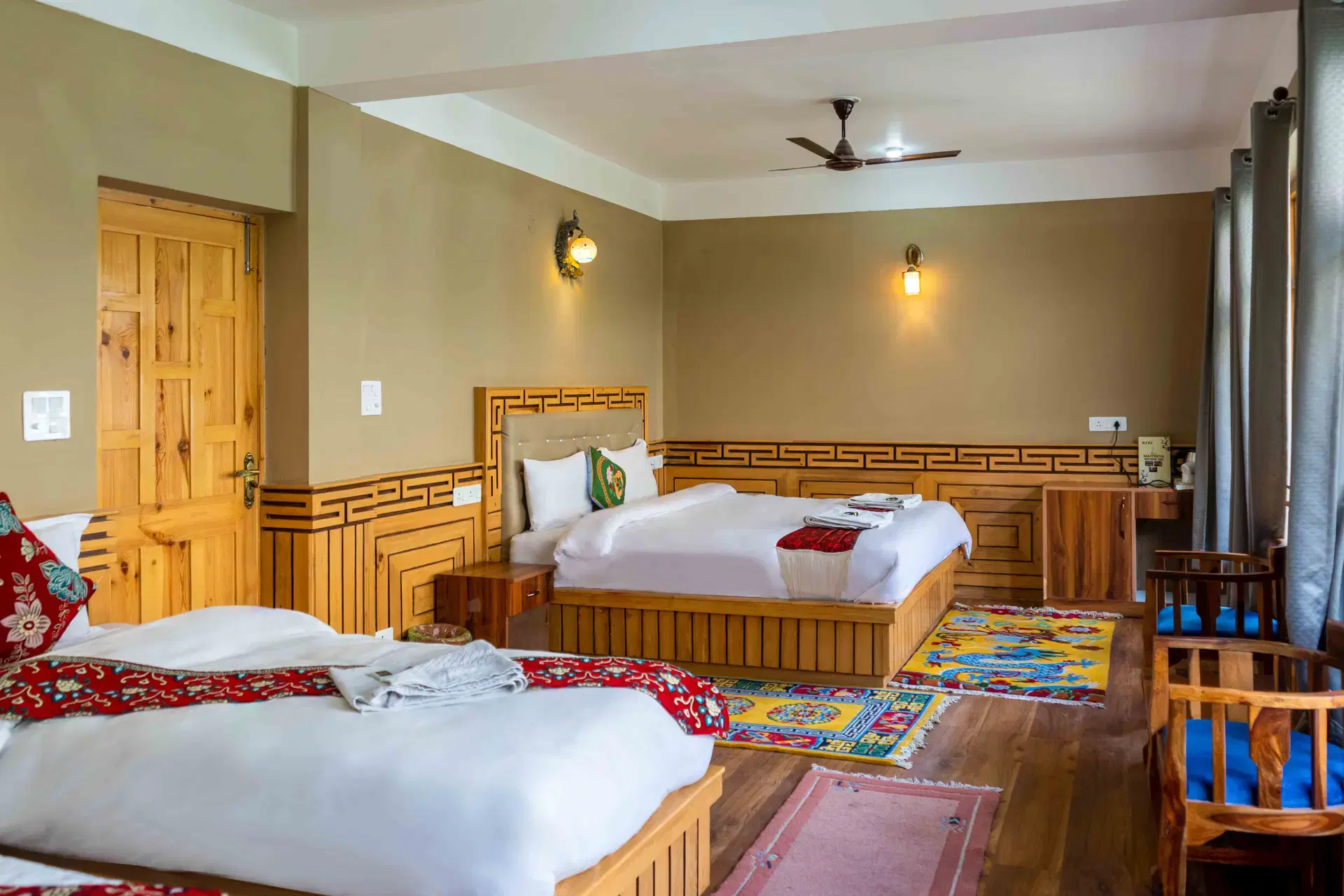
Maitreya Mud House
TABO
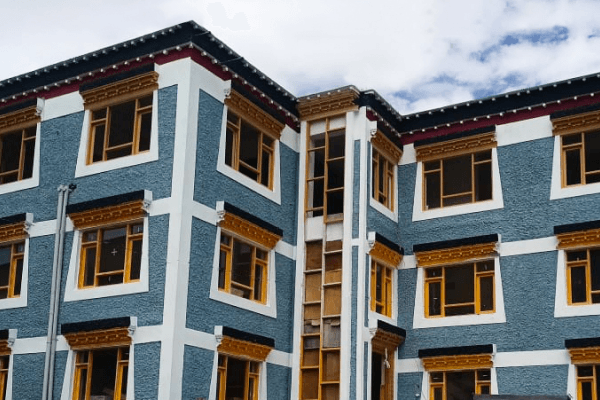
Mahamaya Regency
Kaza

