

Being situated at an altitude of 13,668 feet above sea level, Key Monastery dates to the 11th century, making it one of the oldest continuously functioning Buddhist learning centers in the Himalayas. You may see it as a number, but it truly is thousands of years of prayers echoing through the stone-built corridors, of invasions survived, and of knowledge quietly passed from one generation of monks to the next one. If you’ve ever wondered why travelers feel a strange calm the moment they reach Key Monastery, Spiti, the answer lies in this layered history and its dramatic setting
In this blog, we go beyond the postcard views, exploring the monastery’s past, daily life, visitor timings, and most importantly, how to reach Key Monastery with practical, real-world travel insights that help.

Key Monastery, Spiti, at a Glance
Where is Key Monastery? In Kaza, Spiti
How old is it? Over 1,000 years old.
Who founded it? Dromtön, a disciple of the teacher Atisha.
Which Buddhist sect does it follow? Gelugpa sect of Tibetan Buddhism.
How many monks live in it? About 200 monks.
History of Key Monastery, Spiti
As beautiful as Key Monastery is, the history of this monastery is sad, filled with attacks and natural calamities. Sherap Zangpo, a disciple of Je Tsongkhapa, the founder of the Gelugpa sect, established the monastery in the fifteenth century, although it had been founded in the eleventh century. And after that, a series of tragic events rushed upon it.
- In the 17th century, the Mongol Army invaded the monastery. It was severely damaged and looted of its wealth, including valuable manuscripts and artifacts.
- In 1820, it suffered a great loss because of the Ladakh-Kullu conflicts. Including being sacked and damaged during the wars between them.
- In 1841, first the Dogra Army damaged it, and later the Sikh Army damaged it that year.
- In 1975, nature came into action, and the earthquakes of that year damaged it even more.
After all these situations, the Archaeological Survey of India and the State Public Works Department carried out renovations to it and made it better.
Architecture & Spiritual Significance
Key Monastery, Spiti, is built with the traditional Tibetan style of architecture. It appears like a fortress with heavy and thick walls built with materials like local mud, stone, and wood, which also help in insulation, along with a slight slope on the roofs to manage snowfall. It uses a tiered design for spiritual and communal activities connected by narrow passages and staircases that add a touch of mystery and privacy. It is surrounded by residential quarters where over 200 monks live for secular and religious education.
The dedicated assembly hall works as a focal point, decorated with murals and Thangkas with the vivid depiction of the former life of Buddha, using remarkable craftsmanship. It is also home to numerous rare manuscripts and historical texts that help understand the Buddhist philosophy.

How to Reach Key Monastery
If the question ‘how to reach Key Monastery in Spiti’ has been bothering you, the answer lies below:
By Road
This is the most practical & flexible way to reach Key Monastery, Spiti.
Routes via Manali
The first route goes from Manali via Rohtang Pass and Gramphoo. But the road beyond Rohtang can be narrow, and it closes in the peak snowfall. It can be ideal for you if you are an adventure seeker who wants to see beautiful valleys and passes on the way.
Route: Take the Atal Tunnel–Rohtang Pass route to Gramphoo to Chhatru to Batal to Kaza to Key Monastery.
Distance: 170 km
Time: 4-5 hours (depending on weather, current road conditions, and breaks you take)
Routes via Shimla
The route via Shimla is usually covered in 2 days. It helps with acclimatization to the high-altitude region. On this route, Kinnaur can have some ongoing repair work depending on the season you choose. It can be ideal for you if you are coming from Delhi, Chandigarh, or similar regions.
Route: From Shimla (HP), take NH5 to Rampur to Kinnaur Valley to Nako to Tabo to Kaza to Key Monastery.
Distance: 395 km
Time: 10-11 hours
Vehicle Tips
Vehicles with high ground clearance, like SUVs and 4x4s, work well in these conditions. The fuel stations are limited, so always carry spare fuel. Also, rain and snow on the way can delay the journey; it is better to always keep snacks and water with you.
By Public Transport
There are three major public transportation options you can opt for: buses, shared taxis, and local cabs. Buses operate from Shimla and Reckong Peo to Kaza, from where you can take a shared or private taxi. Or to make the journey smoother and more economical, you can book a taxi for the complete tour.
Nearest Airport & Railway Station
The nearest airport is Bhuntar Airport (250 km away), but flights are limited, so book in advance during peak season. The nearest railway station is Joginder Nagar, located nearly 365 km away. However, connectivity is limited, so booking a train or flight to Chandigarh or Delhi would be more convenient.
Best Time to Visit Key Monastery, Spiti
The best time to visit Key Monastery varies depending on the travel experience you seek. Here’s a comprehensive overview based on seasonal conditions:
| Season | Months | Weather | Road Access | Best For |
| Summer | May–June | Pleasant, 5°C–20°C | Manali–Kaza and Shimla–Kaza both open | First-time visitors, sightseeing. |
| Monsoon | July–August | Cool, light rainfall | The Shimla–Kinnaur route is safer | Photography, quiet travel |
| Autumn | Sept–Oct | Clear skies, 10°C–18°C | Roads open till mid-Oct | Best overall experience, festivals |
| Winter | Nov–March | Extreme cold, -30°C | Manali route closed; limited access | Solitude, snow lovers |
*This is probable weather and road information, so it is suggested to check the current weather reports for a smooth trip.
Key Monastery Timings, Entry & Visitor Etiquette
Timings
Opening Hours: Daily from 6:00 AM to 7:00 PM.
Best Time to Visit: Early mornings for a peaceful atmosphere and scenic views.
Entry
Admission Fee: Generally, there is no entry fee, but donations are appreciated for the maintenance of the monastery.
Guided Tours: Available for those interested in a deeper understanding of the monastery’s history and significance.
Visitor Etiquette
- Dress Code: Wear modest clothing. It is advisable to cover shoulders and knees.
- Photography: Photography may be restricted in certain areas. Always ask for permission, especially in prayer halls and during rituals.
- Shoes: Remove shoes before entering the main prayer hall and other significant areas.
- Silence: Maintain a respectful silence, especially during prayer times and rituals.
- Behavior: Be respectful towards the monks and other visitors. Avoid loud conversations or disruptive behavior.
- Respect Rituals: If prayers or rituals are taking place, it is best to observe from a distance and refrain from interrupting.
Where to Stay Near Key Monastery
Mahamaya Regency stands as an excellent choice for those seeking accommodation near Key Monastery. The property features 16 elegantly designed rooms and suites, each reflecting traditional Spitian charm. Guests can enjoy stunning valley views and cozy atmospheres throughout their stay. Free parking, Wi-Fi, electric blankets, heaters, and a hot water supply are among the facilities.
Dining at Mahamaya Regency introduces a delightful range of Spitian, Indian, and Continental dishes.
So, the next time you find yourself looking for an authentic Spitian stay with the modern amenities for your comfort and convenience, you know where to go.

Why Key Monastery Stays with You
Although Key Monastery, Spiti has suffered a very tragic history, it remains on the travel list of many explorers because of its bravery to stand tall. With the right timing, a clear idea of how to reach Key Monastery, and a bit of patience for Spiti’s terrain, visiting becomes far more rewarding. And if you’re planning to stay nearby, basing yourself in Kaza opens even more experiences, like village walks, stargazing, and café conversations with fellow travelers.
Before you plan your days, don’t miss our detailed guide on things to do in Kaza for solo travelers, as it pairs perfectly with a visit to Key Monastery and helps you experience Spiti beyond the viewpoints.
Recent Posts

Dhankar Monastery in September: Weather, Road Conditions & Things to Know Sep 11, 2026

Shimla in Monsoon: Best Places to Visit and Things to Do Aug 27, 2026

Ladarcha Fair: Experience the Traditional Festival of Spiti Valley Aug 24, 2026

Adventure Activities in Kufri Near Shimla: Fun Experiences for Every Traveller Aug 20, 2026

Best Time to Visit Chandratal Lake: Weather, Road Conditions & Travel TipsAug 11, 2026

The World’s Highest Post Office: A Journey to Hikkim Village in Spiti Valley Jul 28, 2026
Our Hotels
Golden Fern Resort
SHIMLA


Hotel Woodrina
SHIMLA
SS Resort
DALHOUSIE
Hotel Snow Castle
DALHOUSIE
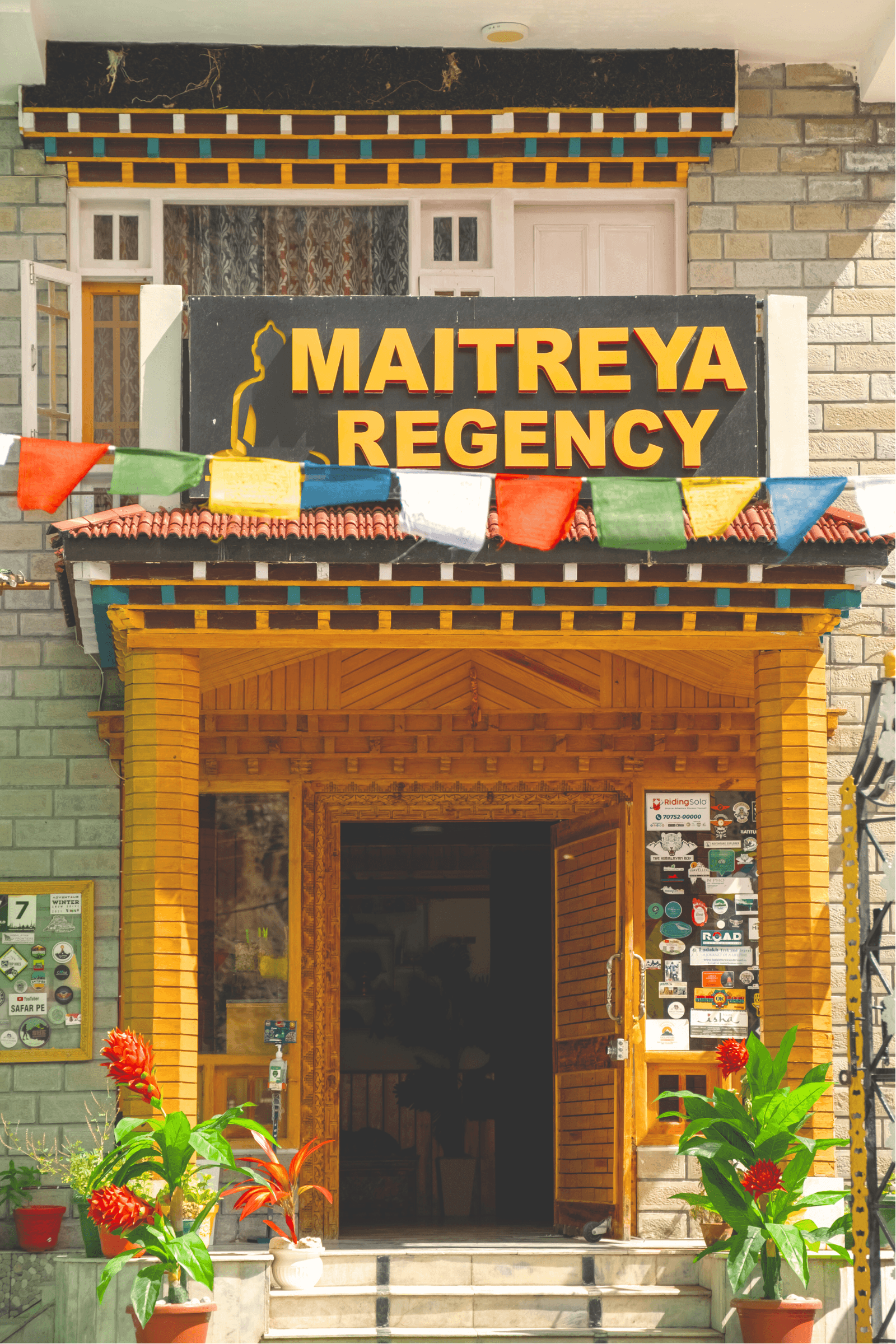
Maitreya Regency
TABO
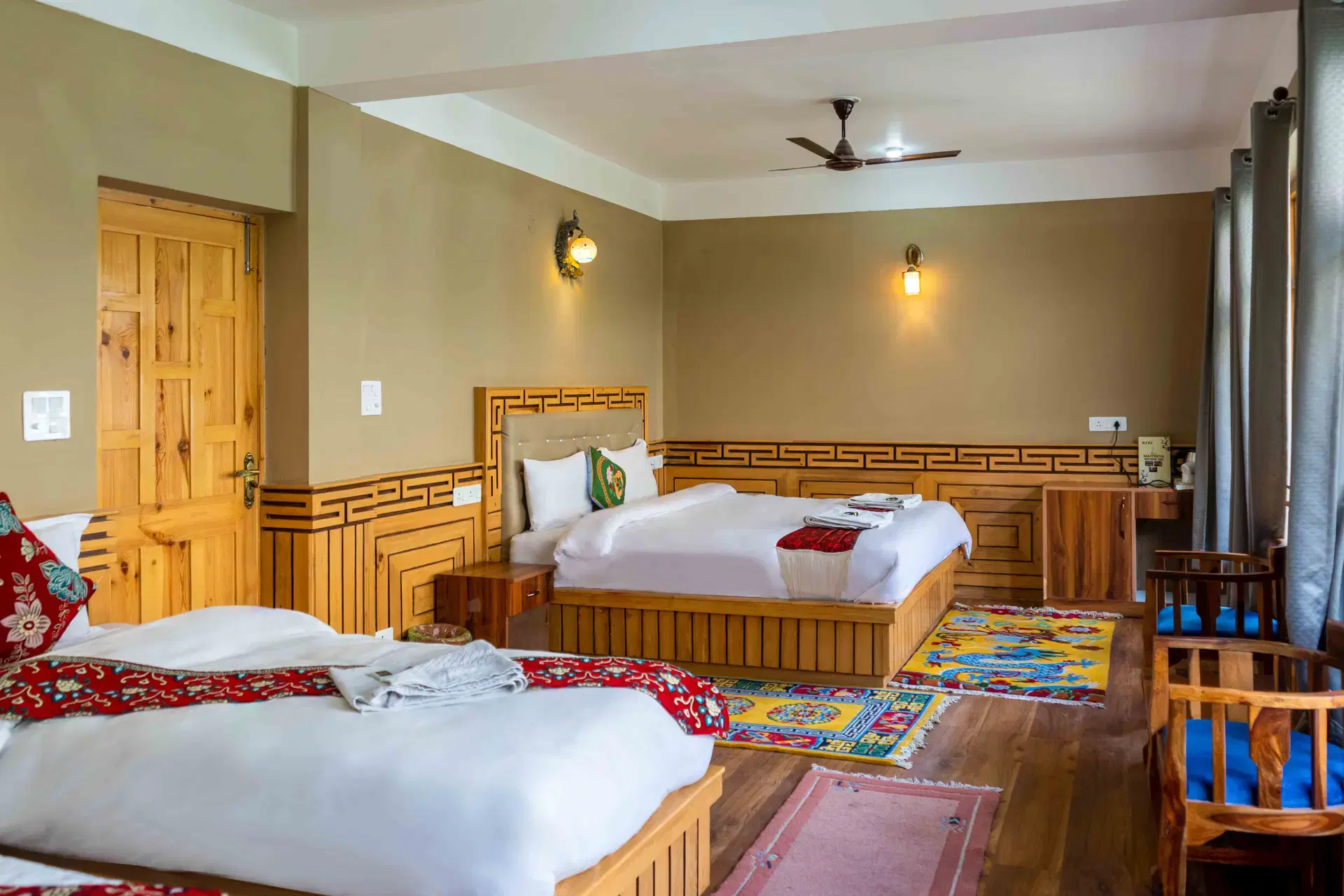
Maitreya Mud House
TABO
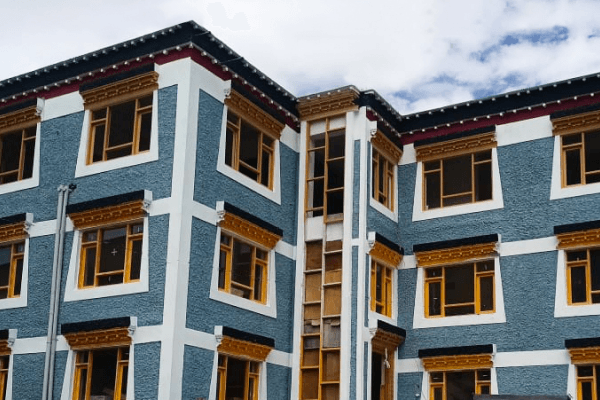
Mahamaya Regency
Kaza

