High above the dry folds of Spiti Valley, where roads cling carefully to mountain edges and villages appear almost borrowed from the earth, it is sharp & restless, carrying dust, prayer flags, and stories older than the road beneath your tires. For decades, isolation shaped life in these high-altitude settlements. Then came Chicham Bridge, suspended dramatically over a deep gorge that once divided entire communities. Travelers now stop here for photographs, but the bridge holds something larger than spectacle.
It stands quietly between old Spiti and changing Spiti, between survival and connection. And somewhere in that vast emptiness, you begin to understand why places like this are worth remembering.

Chicham Bridge at a Glance
- How high is it? 1000 ft
- Where is it? Spiti Valley
- Which villages does it connect? Kibber–Chicham
- How much time is needed? 30 minutes
- Is there network coverage? Very limited
- What’s nearby? Kibber, Key Monastery
Before The Bridge Existed
Chicham was once the most isolated high-altitude village in the Spiti Valley. Harsh winter, frequent snowfall, and rough terrain often made movement risky and unpredictable, affecting the daily commute, medical facilities, supply transportation, and access to schools and markets. Before the bridge was built in the year 2017, the locals used a manually operated ropeway made out of a metal basket, pulley, and cables. This was extremely dangerous, and travel depended on the weather conditions.
What Makes Chicham Bridge Feel Different
The Chicham Bridge will be visible to you out of nowhere, standing still, surrounded by the raw beauty of nature. Here’s what you will notice there:

The Silence Underneath
As you find yourself about 1,000 ft above a gorge, something that would have been so scary to cross, you feel quiet from within. The air was swaying the prayer flags tied on the bridge. and distant sounds of the vehicles. Many visitors stand in the middle of the bridge to admire the silence for longer.
The Wind Across the Bridge
Being Asia’s Highest Suspension Bridge, windy days change the entire experience by becoming extremely cold. Especially in the afternoons, the bridge slightly vibrates under the movements and airflow.
Tiny Cars, Massive Landscape
Against the vast landscapes, even the cars that looked way too big to the eyes started looking small, suspended between cliffs and open sky. This not only happens with cars, but the people start looking like dots too.
The Realisation of Distance in Spiti
The journey toward Chicham creates a gradual understanding of how life functions in such extreme geography. Mobile networks fade intermittently and roads continue through vast stretches of silence. Every village feels separated by terrain rather than simple kilometres. This rhythm slows travelers naturally and encourages deeper observation of the mountains, roads, and isolated settlements scattered across the valley.
The Bridge Through Seasons
Chicham Bridge brings a wave of new elements in each season, surprising the travellers in every way.
| Season | Experience | Travel Notes |
| Summer (May–June) | Clear skies and active road-trip season | Smoothest time for travel |
| Monsoon (July–Aug) | Dramatic clouds and changing weather | Possible landslides on routes |
| Autumn (Sept–Oct) | Quiet atmosphere and golden sunlight | Great for photography |
| Winter (Nov–Mar) | Snow-covered landscapes and deep silence | Limited accessibility due to snowfall |
| Spring (April) | Cold air and fresh mountain views | Roads begin reopening |
Places You Can Combine with Chicham Bridge
You can easily combine Chicham Bridge with several memorable stops, making this circuit one of the most rewarding things to do in Spiti Valley. Kibber Village offers a glimpse into traditional high-altitude life with its quiet lanes and stark mountain setting, while Key Monastery adds a spiritual pause with its hilltop presence and sweeping valley views. Langza is known for its giant Buddha statue and fossil-rich landscape, making it especially appealing for slow exploration. Hikkim, home to one of the world’s highest post offices, brings a small but unforgettable travel experience, and Komic, often described as one of the highest motorable villages in the world, feels remote, dramatic, and deeply rooted in the silence of Spiti.
Key Takeaway
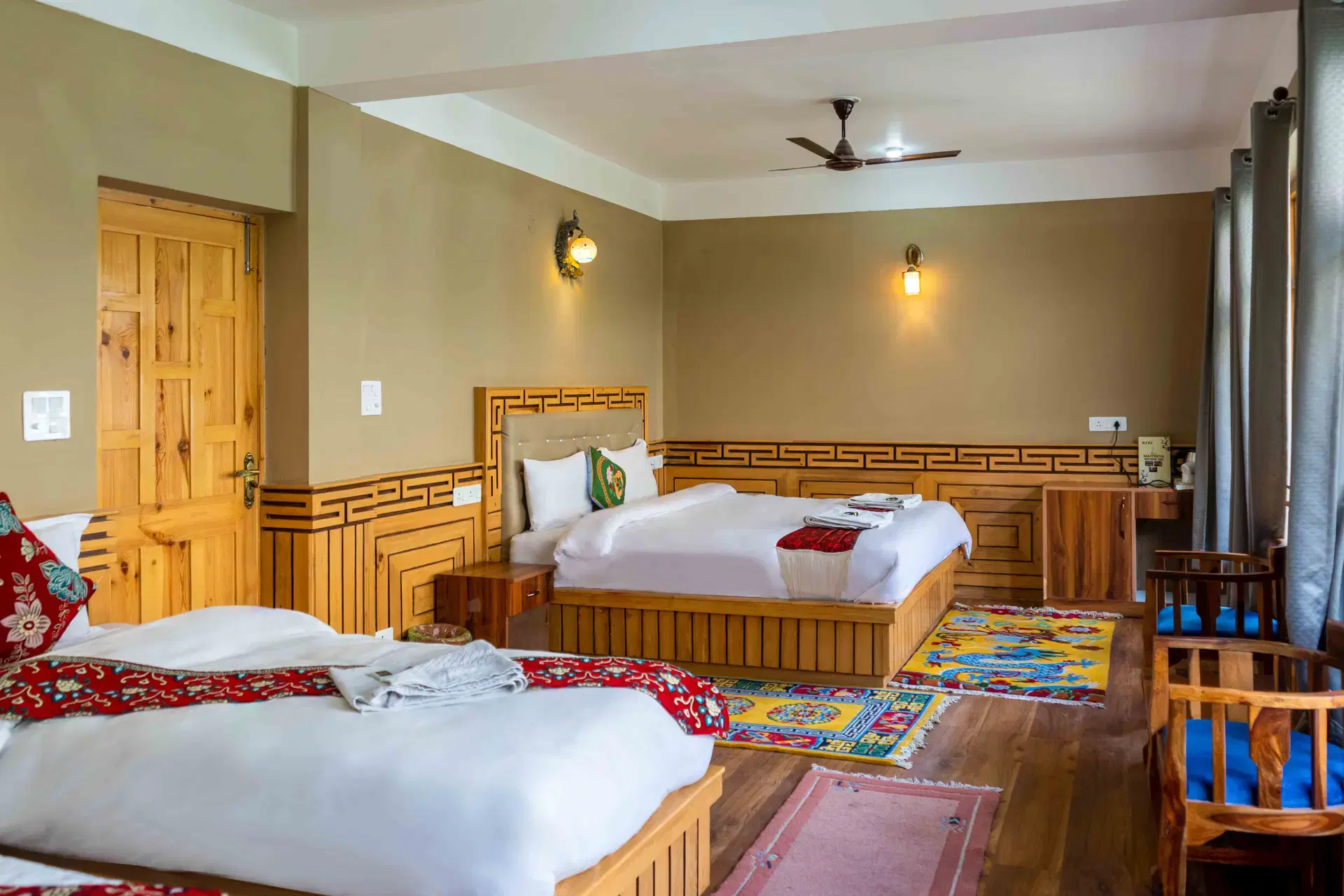
To elevate the overall experience, you need a stay that understands the location itself. Among the best hotels in Spiti stand the properties of Eco Hospitality, working through snow and dry winters to give you the comfort and the most authentic experience of the region.
We hope that our Chicham Bridge travel guide convinced you that next time you find yourself planning a trip to the remotest regions in North India, Chicham Bridge in Spiti Valley should be on top of it.
Recent Posts

Why Mashobra Is the Perfect Weekend Getaway from Delhi Oct 21, 2026

How to Choose the Best Wedding Venue in Shimla: A Complete Guide Sep 24, 2026

Giu Village in Spiti Valley: Explore the Mysterious 500-Year-Old Mummy Sep 16, 2026

Dhankar Monastery in September: Weather, Road Conditions & Things to Know Sep 11, 2026

Shimla in Monsoon: Best Places to Visit and Things to Do Aug 27, 2026

Ladarcha Fair: Experience the Traditional Festival of Spiti Valley Aug 24, 2026